Costway Mini Split Remote Control Instructions: A Comprehensive Guide
Navigating your Costway mini split is simplified with the remote! This guide details button functions, mode settings, troubleshooting, and battery replacement․
Resources like YouTube tutorials and online manuals are readily available for support․

Understanding Your Costway Mini Split System
Costway mini split systems are designed for efficient and zoned climate control, offering both cooling and heating capabilities․ These systems typically consist of an indoor unit, an outdoor compressor, and a remote control for convenient operation․ Unlike central air conditioning, mini splits don’t require ductwork, making them ideal for additions, renovations, or spaces without existing ducting․
The core functionality revolves around refrigerant lines connecting the indoor and outdoor units․ The indoor unit houses the air handler and evaporator coil, while the outdoor unit contains the compressor and condenser coil․ Understanding this basic setup is crucial for troubleshooting and maintenance․
Your remote control is the primary interface for managing the system․ It allows you to adjust temperature, fan speed, mode (cooling, heating, auto, dry), and utilize features like timers and sleep mode․ Different Costway models may have slightly varying remote designs, but the fundamental principles remain consistent․ Resources like YouTube tutorials (e․g․, Della Mini Split AC Remote Control User Manual) can visually demonstrate system components and remote functions․ Familiarizing yourself with the remote’s symbols and buttons is the first step to mastering your Costway mini split․
Remote Control Overview: Buttons and Functions
The Costway mini split remote features a variety of buttons controlling system operation․ Common buttons include the Power button (on/off), Mode (Cool, Heat, Auto, Dry), Temperature Up/Down, Fan Speed (Auto, Low, Medium, High), and Swing/Louver control for directing airflow․
Key symbols often include a snowflake for cooling, a flame for heating, a fan for fan-only mode, and a droplet for dehumidification (Dry mode)․ The Timer buttons allow you to set a delayed start or stop time․ The Sleep Mode button activates an energy-saving function that gradually adjusts the temperature overnight․
The Display screen shows the set temperature, operating mode, and other relevant information․ Some remotes include a reset button, useful for resolving minor operational issues․ Understanding the function of each button is essential for optimal use․ Online resources, like videos demonstrating remote control functions for similar units (e․g․, Della or Mitsubishi mini splits), can be incredibly helpful in deciphering specific symbols and features․ Refer to your model’s specific manual for a detailed button layout and explanation․
Powering On and Off: Basic Operation
To power on your Costway mini split, simply press the Power button on the remote control․ The unit should respond within a few seconds, initiating the previously selected mode and settings․ A confirmation indicator, usually a light on the indoor unit, will illuminate․
Turning the unit off is equally straightforward – press the Power button again․ The unit will gradually shut down, and the indicator light will extinguish․ Ensure the indoor unit fan runs briefly to dry the coils before completely stopping․
Important considerations: Some models may require a short delay between power cycles․ If the unit doesn’t respond immediately, wait a few seconds before pressing the Power button again․ If the remote isn’t functioning, verify the batteries are correctly installed and have sufficient charge․ In cases where the unit won’t power off with the remote, locate the emergency power switch on the indoor unit and use that as a last resort․ Always consult your specific model’s manual for detailed instructions, as slight variations may exist․
Mode Selection: Cooling, Heating, and Auto
Your Costway mini split offers versatile climate control through its various modes․ The Cooling mode, typically indicated by a snowflake icon, lowers the room temperature by actively removing heat․ Press the “Mode” button on your remote to cycle through the available options until the snowflake illuminates․
Heating mode, symbolized by a flame, warms the room by generating heat․ This is ideal for colder seasons․ Again, use the “Mode” button to select this function․ Ensure the outdoor unit is free from obstructions like snow or ice for optimal performance in heating mode․
The Auto mode is a convenient setting that automatically switches between cooling and heating to maintain a set temperature․ The unit intelligently determines the best operation based on the current room temperature․ This mode is represented by the “Auto” icon․
Additional modes, such as Dry mode (for dehumidification) may also be available depending on your specific model․ Refer to your user manual for detailed explanations of each mode and its corresponding icon on the remote control․
Temperature Adjustment: Setting Your Comfort Level
Achieving your desired comfort level with your Costway mini split is straightforward․ The remote features dedicated “+” and “-” buttons for temperature adjustment․ Each press typically alters the set temperature by one degree Fahrenheit or Celsius, depending on your unit’s setting․
The remote display clearly shows the currently set temperature․ Pay attention to the unit displayed (F or C) to ensure you’re adjusting in your preferred scale․ A comfortable temperature range generally falls between 68°F to 78°F (20°C to 26°C), but personal preference plays a key role․
Avoid extreme temperature settings, as this can strain the unit and increase energy consumption․ Gradual adjustments are recommended․ Some models offer precise temperature control, allowing for adjustments in smaller increments․
Consider using the timer function in conjunction with temperature settings to pre-cool or pre-heat a room before you enter, maximizing comfort and efficiency․ Regularly check the room temperature to fine-tune your settings for optimal results․
Fan Speed Control: Optimizing Airflow
Controlling the fan speed on your Costway mini split allows you to customize airflow and optimize comfort․ The remote typically includes buttons labeled “Fan Speed” or represented by a fan icon, allowing you to cycle through available settings․
Common fan speed options include Auto, Low, Medium, and High․ “Auto” mode automatically adjusts the fan speed based on the temperature difference between the setpoint and the room temperature․ Lower speeds are quieter and consume less energy, ideal for maintaining a consistent temperature․ Higher speeds provide faster cooling or heating, useful for quickly reaching your desired temperature․
Experiment with different settings to find the balance between comfort and energy efficiency․ A lower fan speed with a slightly lower or higher temperature setting can often provide a more comfortable and energy-saving experience than a high fan speed․
Consider the room size when selecting a fan speed․ Larger rooms may benefit from higher speeds to ensure even air distribution․ Regularly cleaning the air filters will also help maintain optimal airflow․
Swing/Louver Control: Directing Airflow
Directing airflow is crucial for maximizing comfort and efficiency with your Costway mini split․ The “Swing” or “Louver” function, often indicated by a swinging arrow icon on the remote, controls the direction of the airflow from the unit’s vents․

Vertical swing adjusts the up-and-down movement of the louvers, allowing you to distribute air throughout the room’s height․ Horizontal swing controls the left-and-right movement, widening the airflow coverage․ Many remotes offer independent control of both vertical and horizontal swing․
Utilize the swing function to avoid direct airflow onto occupants, preventing discomfort․ You can also set the swing to a specific angle and have it stop, directing air precisely where needed․ Some models allow you to customize the swing angle in increments․
Experiment with different swing settings to find the optimal airflow pattern for your room layout and personal preferences․ Proper airflow direction ensures even temperature distribution and enhances overall comfort․ Regularly check the louvers for obstructions to maintain optimal performance․
Timer Function: Scheduling Operation
The timer function on your Costway mini split remote allows for convenient scheduling of operation, enhancing energy efficiency and comfort․ This feature enables you to set a specific time for the unit to automatically turn on or off․
To set a timer, typically locate the “Timer” button on your remote․ You’ll usually be prompted to set the desired time, and then choose whether you want the unit to turn on or off at that time․ Some remotes offer both “On” and “Off” timer settings․
Programming the timer can help you pre-cool or pre-heat a room before you arrive home, or automatically turn off the unit while you’re asleep, saving energy․ Explore the remote’s settings for options like daily or weekly repeat schedules․
Carefully review the remote’s manual for specific instructions on timer programming, as the process can vary slightly between models․ Utilizing the timer function is a smart way to optimize your Costway mini split’s performance and reduce energy consumption․
Sleep Mode: Energy Saving and Comfort
Sleep mode on your Costway mini split remote is designed to optimize comfort and energy savings during nighttime use; This function gradually adjusts the temperature throughout the night, preventing drastic temperature fluctuations while you sleep․
Activating sleep mode is usually done by pressing a dedicated “Sleep” button on the remote․ Once enabled, the unit will slowly increase (in cooling mode) or decrease (in heating mode) the set temperature by a few degrees over a specified period․
The gradual temperature adjustment prevents you from feeling too cold or too warm during sleep, promoting a more restful night․ Sleep mode also typically reduces fan speed for quieter operation, minimizing disturbances․
Energy efficiency is a key benefit of sleep mode, as the unit consumes less power by avoiding constant temperature maintenance․ Refer to your remote’s manual for customizable sleep mode settings, such as the rate of temperature change and the duration of the mode․

Display Indicators: Interpreting the Remote Screen
Understanding the display indicators on your Costway mini split remote is crucial for effective operation․ The screen provides vital information about the unit’s current status and settings․
Common indicators include the operating mode (Cool, Heat, Auto, Dry), set temperature, room temperature, fan speed, and timer status․ Symbols often represent these functions; for example, a snowflake indicates cooling, while a flame signifies heating․
Pay attention to error codes that may appear on the display․ These codes signal potential issues with the unit and can help you diagnose the problem or inform a technician․ Consult your user manual for a complete list of error codes and their meanings․
The timer indicator shows whether the on/off timer is active․ A flashing symbol usually means the timer is set but not yet engaged․ The fan speed indicator displays the current fan setting (Auto, Low, Medium, High)․ Familiarizing yourself with these indicators ensures you can easily monitor and control your mini split system․
Resetting the Remote Control
Occasionally, your Costway mini split remote may experience glitches or unresponsive behavior․ Resetting the remote can often resolve these issues and restore normal functionality․ While a dedicated “reset” button isn’t typically present, a simple battery removal and re-insertion often achieves the same result․
To reset, first, locate the battery compartment on the back of the remote․ Carefully remove the cover and take out the batteries․ Press and hold the power button for approximately 30 seconds while the batteries are removed․ This discharges any residual electricity and clears the remote’s memory․
Reinsert the batteries, ensuring correct polarity (+ and -)․ Attempt to power on the mini split using the remote․ If the remote still doesn’t respond, try replacing the batteries with a fresh set․ Ensure the batteries are of the correct type and are properly installed․ A reset is a quick and easy troubleshooting step before considering more complex solutions․
Troubleshooting Common Issues: Remote Not Working

If your Costway mini split remote isn’t responding, several common issues could be the culprit․ First, check the batteries – this is the most frequent cause․ Replace them with fresh batteries, ensuring correct polarity (+ and -)․ Next, ensure there’s a clear line of sight between the remote and the indoor unit’s receiver․ Obstructions can interfere with the signal․
Try cleaning the remote’s infrared (IR) emitter – the small window at the front – with a soft, dry cloth․ Dust or grime can block the signal․ If the indoor unit is responding to direct button presses on the unit itself, the remote is likely the problem․ Attempt a remote reset by removing and reinserting the batteries (see the ‘Resetting the Remote Control’ section)․
If problems persist, consider the possibility of interference from other electronic devices․ Finally, consult online resources like YouTube tutorials for specific troubleshooting steps related to your Costway model․ If none of these steps resolve the issue, the remote may require replacement․
Replacing the Batteries: Maintaining Functionality
Maintaining your Costway mini split remote’s functionality hinges on regularly checking and replacing the batteries․ Most models require two AAA or AA batteries, though always confirm the correct type specified in your user manual․ To access the battery compartment, locate the cover – usually on the back of the remote – and slide or lift it open․
Remove the old batteries, noting the correct polarity (+ and -) indicated inside the compartment․ Insert the new batteries, ensuring they are aligned properly․ Incorrect insertion can damage the remote․ Close the battery compartment cover securely․ A weak signal is often the first sign batteries need replacing, indicated by sluggish responses or a complete lack of response from the unit․

Consider using high-quality alkaline batteries for longer life and reliable performance․ Avoid mixing old and new batteries, or different battery types․ Regular battery checks – perhaps monthly – will prevent unexpected remote failure and ensure consistent control of your Costway mini split system․
Identifying Your Remote Model Number
Locating your Costway mini split remote’s model number is crucial for finding compatible replacements or specific troubleshooting information․ The model number is typically found on a sticker located on the back of the remote control itself․ Look for a series of letters and numbers – for example, “RC-300” or “YSX-01A”․
Carefully examine the entire back panel, as the sticker may be small or placed in a less obvious location․ Sometimes, the model number is also printed directly onto the plastic casing, though this is less common․ Having this number readily available will significantly streamline the process of seeking assistance from Costway’s customer support or searching for online resources․

If you’ve misplaced the remote or the sticker is damaged, consult your original Costway mini split system documentation․ The remote model number may be listed there․ Alternatively, contacting Costway directly with your system’s model number can help them identify the correct remote model for your unit․ Accurate identification ensures compatibility and proper functionality․
Compatibility with Universal Remotes
Determining compatibility between your Costway mini split and a universal remote requires careful consideration․ While many universal remotes can control mini split systems, success isn’t guaranteed without proper programming and code input․ Look for universal remotes specifically listing support for air conditioners or mini split systems, as these are more likely to include compatible codes․
Popular brands like GE, Philips, and RCA offer universal remotes with extensive code libraries․ You’ll typically need to enter a code corresponding to your Costway system (or a similar brand) into the universal remote․ Consult the universal remote’s manual for instructions on code entry and searching․ Online code databases can also be helpful resources․
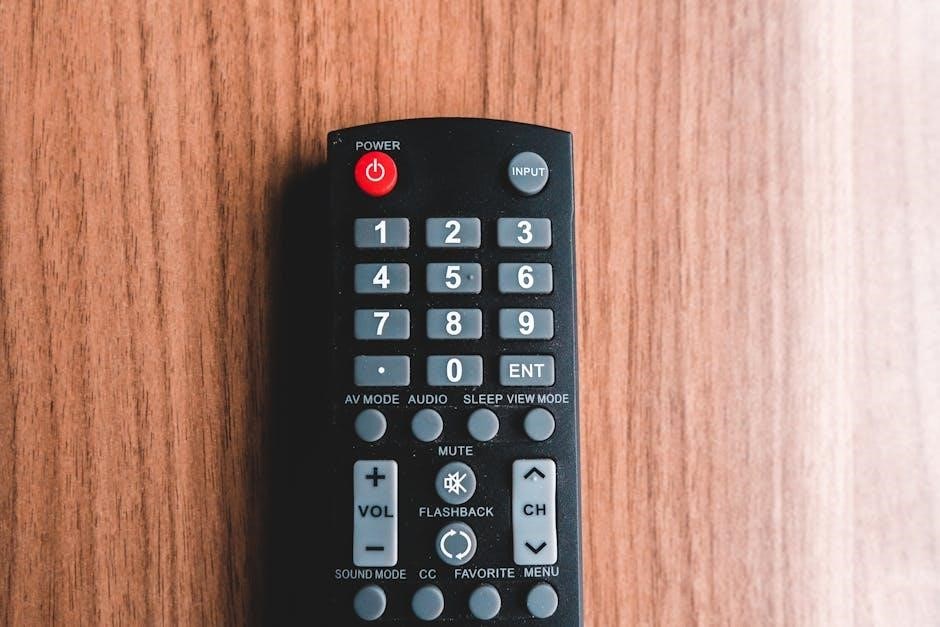
If direct code entry fails, some universal remotes offer a learning function, allowing them to “learn” commands from your original Costway remote․ However, this method may not replicate all functions․ Always test all features after programming to ensure full functionality․ If issues persist, a replacement Costway remote is often the most reliable solution․
Finding Additional Resources and Support

Beyond this guide, numerous resources are available for Costway mini split remote control assistance․ The Costway official website is a primary source, often hosting downloadable manuals and FAQs specific to your model․ Check their support section for troubleshooting tips and contact information․
YouTube is a valuable platform, with channels like those demonstrating Della mini split remote functions (search “Della Mini Split AC Remote Control User Manual”) offering visual guidance․ While not Costway-specific, these videos can illustrate common mini split remote operations․ Online forums, such as dishcuss․com, provide spaces for users to share experiences and solutions․
If you require direct assistance, Costway’s customer support team can be reached via phone or email – details are typically found on their website․ Keep your model number handy when contacting support for faster service․ Remember to explore online communities and video tutorials for quick answers to common questions before reaching out to customer service․